Introduction
In today's fast-paced world, communication technology continues to evolve, pushing the boundaries of what we thought was possible just a few years ago. One of the most significant advancements in this arena is Voice over Internet Protocol (VoIP) technology. Coupled with the Internet of Things (IoT), VoIP phones are transforming how individuals and businesses communicate. This article delves deep into The Role of IoT in Enhancing the Functionality of VoIP Phones, exploring various facets such as operational benefits, security concerns, integration challenges, and future trends.
Understanding VoIP Technology
What is VoIP?
Voice over Internet Protocol (VoIP) is a technology that enables voice calls to be made using the internet instead of traditional telephone lines. By converting voice signals into digital data packets, VoIP allows for more efficient data transmission, making phone calls less expensive and more versatile.
How Do VoIP Phones Work?
VoIP phones operate by connecting to the internet through a router or modem. They utilize codecs to compress and decompress voice signals, which allows for high-quality audio during calls. This technology removes geographical barriers, enabling users to make local and international calls at reduced rates.
The Rise of IoT Technology
What is IoT?
The Internet of Things (IoT) refers to the interconnected network of devices that communicate with each other over the internet. From smart home appliances to wearable health monitors, IoT technology has permeated every aspect of our lives.
Key Features of IoT Technology
- Connectivity: Devices can easily connect and interact. Automation: Smart devices can operate automatically based on predefined conditions. Data Collection: Devices gather data that can be analyzed for improved functionality.
The Role of IoT in Enhancing the Functionality of VoIP Phones
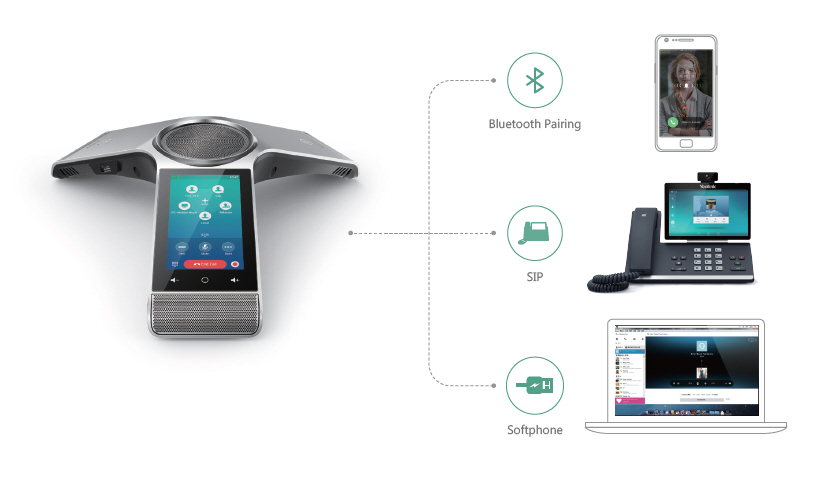
IoT significantly enhances the capabilities of VoIP phones by integrating them with various smart technologies. This integration leads to improved user experiences, better call quality, enhanced security features, and seamless connectivity across devices.
For instance, consider a scenario where your VoIP phone syncs with your calendar application; it can automatically mute or redirect calls during scheduled meetings. Furthermore, advanced analytics from connected devices enable businesses to monitor call quality in real-time, ensuring optimal performance.
Benefits of Integrating IoT with VoIP Phones
Enhanced Call Quality
One significant advantage of combining IoT with VoIP technology is enhanced call quality. By utilizing data from multiple connected devices—like routers and switches—VoIP systems can optimize bandwidth allocation dynamically.
Improved User Experience
Integration with IoT allows for personalized user experiences. For example:
VoIP Phones in Adair Village- Custom ringtones based on caller ID Automatic call forwarding to mobile devices when out of office Integration with CRM systems for smooth customer interaction
Security Concerns in IoT-Enabled VoIP Systems
Why Security Matters?
With increased connectivity comes increased vulnerability. As more devices are connected via IoT, ensuring robust security measures becomes paramount.
Common Security Threats
Unauthorized Access: Hackers may exploit vulnerabilities in connected devices. Data Interception: Sensitive information may be intercepted during transmission. DDoS Attacks: Distributed Denial-of-Service attacks can cripple service availability.Best Practices for Securing VoIP Systems within an IoT Framework
Regular Software Updates
Keeping software up-to-date helps mitigate potential vulnerabilities that could be exploited by hackers.
Using Strong Passwords
Employing strong passwords for all connected devices reduces unauthorized access risks significantly.
Implementing Firewalls and VPNs
Firewalls help filter malicious traffic while Virtual Private Networks (VPNs) secure data transmission over public networks.
Challenges in Implementing IoT Solutions for VoIP Phones
Interoperability Issues
Different manufacturers often use proprietary protocols that may not work well together, complicating integration efforts between various systems.
Scalability Concerns
As businesses grow and add new devices or users, scaling up their existing systems without sacrificing performance can pose significant challenges.
Future Trends in VoIP Technology Driven by IoT Innovations
Artificial Intelligence Integration
AI technologies will play a crucial role in enhancing user experiences through voice recognition services and predictive analytics for optimizing call routing.
5G Connectivity
The rollout of 5G networks will further enhance the capabilities of both IoT and VoIP technologies by providing faster speeds and lower latency connections—transforming how we communicate fundamentally.
FAQs
1. What are the main advantages of using a VoIP phone?
VoIP phones offer cost savings on long-distance calls, flexibility to work remotely, and enhanced features like voicemail-to-email integration and video conferencing capabilities.
2. How does IoT improve call quality in VoIP systems?
IoT improves call quality by dynamically allocating bandwidth based on current network demands through continuous monitoring using interconnected devices.
3. Are there any specific security threats associated with using VoIP phones?
Yes, common threats include unauthorized access, data interception during transmission, and DDoS attacks aimed at overwhelming service providers' servers.
4. Can I use my existing internet connection for VoIP services?
Absolutely! Most modern broadband connections support VoIP services without requiring additional hardware or setup complexities.
5. How do I secure my home network that uses a VoIP phone system?

6. What future developments should I expect from VoIP technology?
Expect advancements like AI-enhanced voice recognition features, seamless integration with augmented reality platforms for immersive communications experiences, and further optimization through 5G technology rollout.
Conclusion
In conclusion, as we continue to embrace technological advancements like the Internet of Things (IoT), we witness profound changes in how we communicate via tools like Voice over Internet Protocol (VoIP) phones. The interplay between these two transformative technologies not only enhances functionality but also paves the way for innovative solutions to some longstanding communication challenges—such as improving call quality while mitigating security risks associated with increased connectivity. Embracing this evolution will ensure that both individuals and businesses remain competitive in an increasingly digital world fueled by seamless communication pathways provided through integrated technologies like IoT-enabled VoIP systems.